

Mastering the New Era of Local SEO: Beyond Traditional Metrics
In the rapidly evolving landscape of local SEO, relying solely on conventional proximity data and outdated ranking signals no longer guarantees visibility success. As digital landscapes shift towards nuanced user behavior and complex platform algorithms, understanding the intricacies of local visibility metrics becomes essential for strategic dominance. Marketers and business owners must navigate an ecosystem where Google Maps ranking signals are increasingly multifaceted, demanding a sophisticated comprehension of what truly influences search result placements in 2025.
Reevaluating the Significance of Traditional Proximity Metrics
For years, proximity rank held sway as the core determinant in local search outcomes. Significantly, previous models prioritized physical distance from user locations, fostering a radius-centric approach. However, recent analyses reveal that such a narrow focus might be a myopic view, especially considering proximity ranking secrets that showcase its diminishing influence.
In fact, local SEO professionals have observed that businesses several miles away can outperform closer competitors, thanks to advanced signals such as real-time user engagement, footfall data, and social proof. Consequently, the paradigm shifts from static proximity to dynamic, behavior-driven indicators.
Deciphering Google Maps Signals in Transition
Google’s algorithm updates for 2025 underscore a deliberate move towards multifactorial ranking systems. Signals such as store visits, dwell time, and user intent cues are now integral. As detailed in decoding Google Maps signals, the emphasis is on contextual relevance and user satisfaction rather than mere geographic proximity.
This evolution necessitates a reevaluation of local SEO priorities. The focus must expand from traditional on-page factors to encompassing behavioral analytics, ensuring that local listings are optimized for searcher intent and digital engagement.
Can Local Visibility Metrics Accurately Predict 2026 Sales Trends?
To what extent do current local visibility metrics forecast real-world conversion and foot traffic?
The nexus between digital signals and actual store performance hinges on robust, predictive metrics capable of capturing customer behavior beyond surface-level data. Metrics such as call tracking, review velocity, and dwell metrics serve as vital indicators of buyer intent, helping marketers adapt strategies proactively.
Advanced analytics platforms now enable geospatial and temporal data integration, presenting a comprehensive view that aligns search engine rankings with tangible sales outcomes. However, the debate persists regarding the sufficiency of existing metrics, prompting ongoing research within the field.
For further insights, professional marketers should explore resources such as predicting store sales through local metrics.
As the digital battlefield intensifies, aligning local visibility strategies with evolving Google Maps signals and sophisticated metrics becomes paramount for global brands and local businesses alike.
Interested in refining your approach? Explore comprehensive guides on mastering local SEO factors for 2025 or contribute your insights to the evolving discourse by contacting us through our contact portal.
Harnessing the Power of Real-Time Data for Dynamic Rankings
In the quest to dominate local search in 2026, the reliance on static metrics like proximity is proving increasingly ineffective. Instead, leveraging real-time data—such as live foot traffic, ongoing reviews, and current business activity—offers a tangible edge. The integration of these dynamic signals allows businesses to adapt their strategies swiftly, optimizing for fluctuating consumer behavior patterns. Tools that monitor real-time store stock levels and footfall are transforming how local SEO professionals respond to market shifts, ensuring placement algorithms favor current and active businesses over outdated ones.
The Myth of Distance as a Sole Ranking Factor
Challenging the age-old assumption that physical proximity guarantees top rankings, recent studies reveal that Google’s algorithms are shifting focus towards behavioral and contextual signals. For example, a shop located beyond the traditional 3-mile radius might outrank closer competitors if it demonstrates higher engagement levels, consistent reviews, and social proof. Exploring why 2025 SEO weightings failed in 2026 illuminates the necessity of multi-layered strategies that consider these nuanced factors rather than only geographic data.
Can Multidimensional Signals Outperform Traditional Proximity?
Are we witnessing the decline of proximity-centric rankings in favor of complex behavioral and engagement metrics?
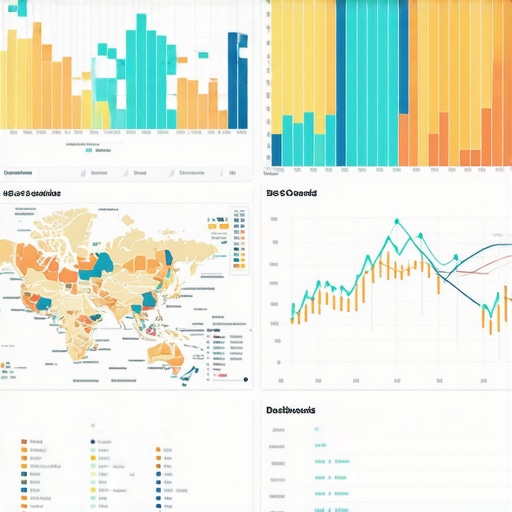
Indeed, the evolution of Google Maps ranking signals indicates a move toward holistic user engagement indicators—ranging from dwell time, call volume, to social mentions. This shift means that businesses need to optimize beyond their physical location, cultivating digital touchpoints and community interactions that enhance their perceived authority. Implementing local SEO tactics that boost social proof, user satisfaction, and ongoing engagement could be the differentiator, as evidenced by local SEO updates surpassing 2025 weightings. A comprehensive understanding of these signals is crucial for those aiming to secure top spots amidst increasingly sophisticated ranking algorithms.
For a strategic edge, consider utilizing tools that analyze predictive local visibility metrics. These insights enable proactive adjustments, aligning business practices with the signals that Google’s algorithms prioritize in 2026.
If you’re ready to elevate your local SEO game, don’t hesitate to reach out through our contact portal for expert guidance tailored to your niche and market dynamics.
Leveraging Behavioral Analytics to Shape Local Search Dominance
As the landscape of local SEO advances, a pivotal shift emerges—traditional static metrics are giving way to dynamic behavioral analytics that can predict customer intent with remarkable accuracy. Integrating tools that monitor user engagement patterns, dwell times, and interaction sequences allows businesses to anticipate demand surges and tailor their local presence correspondingly. For instance, analyzing behavioral data in real-time provides granular insights into customer journeys, enabling hyper-targeted local campaigns that resonate more profoundly than ever before.
However, harnessing these insights requires sophisticated data management systems and an understanding of subtle behavioral cues that influence ranking algorithms. Companies that effectively decode such signals can elevate their position in local maps rankings, even when traditional proximity factors suggest otherwise. The key lies in developing a holistic digital footprint—integrating online reviews, social interactions, and on-site behavior—to craft a compelling narrative that aligns with evolving platform priorities.
Innovative Content Strategies for Hyper-Local Engagement
In an era where personalization is king, content tailored to hyper-local audiences becomes a decisive factor in Google Maps rankings. Beyond standard business descriptions, leveraging interactive maps, localized storytelling, and community-driven content can forge stronger connections with potential customers. For example, incorporating localized video testimonials and user-generated stories not only boosts engagement but also signals relevance to search engines.
Furthermore, advanced schema markup for local enterprises enhances content visibility in rich snippets, providing a competitive edge. Businesses adopting such proactive content strategies position themselves as authoritative and trusted within their communities—attributes increasingly weighted in Google’s ranking algorithms. As you refine your local content plan, consider integrating data-driven insights to identify emerging trends and community interests, ensuring your efforts resonate authentically and impactfully.
Addressing the Nuances of Voice Search in Local Contexts
One of the most nuanced challenges in modern local SEO involves optimizing for voice search—a modality that’s rapidly expanding due to the proliferation of digital assistants and smart devices. Unlike typed queries, voice searches tend to be conversational, often incorporating complex question phrases and contextual cues. To dominate this space, businesses must craft content that answers specific, intricate questions posed by local users.
For instance, understanding the distinction between high-level queries—such as “Where is the best Italian restaurant near me?”—and more detailed inquiries like “Are there gluten-free options at Italian cafes within downtown?” allows for targeted optimization. Leveraging advanced voice search strategies involves developing FAQ pages, adopting natural language keywords, and enhancing on-site structure for quick, precise responses.
Furthermore, integrating local schema markup and ensuring mobile-friendly, fast-loading websites facilitate voice-driven discovery, which increasingly influences visibility. To stay ahead, marketers should continuously monitor voice search trends and adapt their content and technical SEO strategies accordingly—an ongoing process crucial for maintaining competitive edge in 2025’s evolving local landscape.
Engagement and Reputation Signals: The Untapped Weapon for Local SEO Superiority
Beyond technical optimizations, reputation signals such as reviews, social mentions, and community recognition serve as powerful validators in local search rankings. Recent studies highlight that businesses actively managing their online reputation see significant improvements in visibility—often outperforming competitors with similar proximity but weaker reputations.
Building a coherent strategy to solicit, respond to, and showcase reviews not only fosters consumer trust but also amplifies engagement signals valued by Google Maps’ algorithms. Techniques such as automated review prompts, personalized responses, and integrating social proof directly into your local content drive higher user satisfaction scores.
Moreover, monitoring sentiment analysis across review platforms and social channels provides a nuanced understanding of customer perceptions, enabling swift corrective actions that preserve and enhance local authority.
If you’re committed to elevating your local SEO efforts, exploring integrated reputation management tools becomes imperative. For detailed tactics tailored to your industry, consider consulting advanced case studies like those compiled in Reputation Optimization for 2025 and stay ahead in the game of local visibility.
Transforming Local Search Strategies with Psychological Engagement Metrics
Beyond conventional behavioral signals, integrating psychological engagement metrics—such as trust indicators, emotional resonance, and community affinity—can propel local SEO efforts into new realms of effectiveness. Recent research indicates that businesses fostering authentic connections through storytelling, social proof, and community participation not only enhance brand loyalty but also positively influence ranking algorithms that prioritize user experience and perceived authority.
Implementing sentiment analysis tools, monitoring local influencer collaborations, and cultivating genuine customer interactions emerge as strategic imperatives for 2026. By aligning digital strategies with these psychological cues, local enterprises can transcend mere visibility, fostering a loyal customer base that actively advocates and sustains organic growth.
How Can Semantic Search Evolution Redefine Local Listing Optimization?
The advent of semantic search, powered by advanced natural language processing (NLP), signals a paradigm shift in how search engines interpret local queries. This evolution necessitates a comprehensive overhaul of traditional keyword-centric optimization, favoring contextually-rich, conversational content that aligns with user intent at a nuanced level.
Embedding structured data, utilizing context-aware schema markup, and creating content that seamlessly answers complex, multi-faceted questions are paramount. Furthermore, local businesses must focus on building niche authority by establishing topical relevance through comprehensive blogs, FAQs, and community-centric content, enabling their listings to resonate more profoundly within semantic ecosystems.
To navigate this landscape, consult authoritative sources like Semantic Search and Local SEO Integration for cutting-edge strategies and technical insights.
Leverage Evidence-Based Data to Fine-Tune Your Local SEO Blueprint
Relying on anecdotal assumptions is a perilous approach in an era defined by data-driven decision-making. Harnessing advanced analytics platforms that provide granular, real-time insights into user behavior, engagement patterns, and conversion pathways is essential for refining local SEO tactics.
Metrics such as heatmaps of user interactions, cohort analyses, and predictive modeling enable marketers to identify latent opportunities and preempt ranking fluctuations. This evidence-based approach facilitates precision adjustments—optimizing Google My Business profiles, content, and backlink profiles—based on validated performance indicators rather than intuition alone.
For comprehensive research and methodology, explore sources like Evidence-Based Local SEO Analytics for in-depth case studies and best practices.
Incorporate Multimodal Data for a Holistic Visibility Framework
The next frontier in local SEO involves synthesizing multimodal data streams—visual, auditory, textual, and behavioral—to craft a multidimensional visibility framework. Integrating geospatial analytics with user-generated media, voice interaction logs, and social media signals enables a richer understanding of community dynamics and consumer motivation.
This comprehensive data amalgamation supports more accurate ranking signals that reflect real-world popularity and influence. Additionally, leveraging AI-driven content personalization and adaptive local campaigns ensures relevance amidst increasingly complex user journeys and platform algorithms.
Embrace these advanced modalities to create an interconnected, resilient local SEO strategy that leverages the full spectrum of available data resources—paving the way for sustained competitive advantage into 2026 and beyond.
Challenge Conventional Wisdom with Dynamic Local Authority Building
Traditional local SEO tactics often emphasize static authority signals, such as citation consistency and backlink quantity. However, pioneering local brands are now focusing on dynamic authority signals—real-time community engagement, event participation, and collaborative content initiatives—that evolve with local ecosystems.
This proactive stance fosters trustworthiness, increases interaction touchpoints, and signals vitality to search engines. Engaging in local sponsorships, hosting community events, and fostering user-generated content serve as tangible demonstrations of local authority, which algorithms increasingly evaluate as indicators of genuine relevance and influence.
For innovative approaches, review thought leadership from bodies like Local Authority and Engagement Dynamics to inform future-proof strategies and capitalize on emerging ranking factors.
Strategic Shift Toward Actionable Metrics
Advancing your local SEO requires moving beyond traditional indicators like proximity alone. Focus on behavioral engagement signals such as customer interaction rates and social proof to craft strategies that resonate with evolving Google Maps algorithms. Prioritize real-time analytics over static data points for a more accurate view of your local presence.
Harnessing Authority Through Authentic Community Ties
Building genuine relationships within your local community amplifies your authority in search rankings. Engage in local events, foster user-generated content, and collaborate with community influencers. These efforts provide rich signals that Google increasingly values, boosting visibility organically.
Mastering Technical Nuances for Competitive Edge
Implementing advanced schema markup and ensuring mobile optimization are critical for capturing nuance in semantic search and voice queries. These technical refinements make your listings more accessible to sophisticated ranking signals, elevating your position even when proximity metrics falter.
Resources to Deepen Expertise
- Understanding Local SEO Factors—Comprehensive Guide on Local SEO Factors 2025
- Google Maps Signal Decoding—Decoding Maps Signals for 2025
- Behavioral Analytics in SEO—Leveraging Behavioral Data Effectively
Your Move in an Evolving Landscape
To command visibility in local search, integrate these expert insights with proactive tactics, and continually refine your approach based on the latest signals. Connect with us through our contact portal to explore customized strategies that elevate your local SEO game beyond conventional metrics. Remember, in this dynamic environment, strategic excellence transforms data into dominance.