
The Evolving Landscape of Proximity and Local Search Signals in 2025
In the quest for dominating local visibility, understanding the intricate interplay between proximity ranking, Google Maps signals, and evolving local SEO factors becomes paramount. As digital ecosystems grow more sophisticated, the reliance on traditional keyword strategies diminishes, prompting marketers to adapt by leveraging user behavior signals and real-world interactions. The transition from conventional SEO models to behavior-centric metrics signifies a paradigm shift crucial for today’s local business visibility.
Harnessing the Power of Local Engagement Metrics to Elevate Google Maps Rankings
Emerging research emphasizes that proximity alone no longer guarantees top-tier Google Maps placement. Instead, Google’s ranking algorithms in 2025 increasingly prioritize authentic user interactions—such as in-store visits, dwell time, and direct direction requests. These engagement metrics serve as credible indicators for local relevance, influencing ranking signals beyond mere spatial proximity. Consequently, businesses must now optimize for tangible customer experiences that translate into digital signals.
Why Traditional SEO Weighting Models are Becoming Obsolete in Local Search
The classic emphasis on keyword density and backlink profiles falls short within local contexts where SEO weighting models are shifting towards behavioral and contextual signals. The 2025 trend reveals that store foot traffic data, in-store dwell duration, and direct user interactions outstrip traditional SEO signals in forecasting local sales and visibility. This evolution underscores a critical need to recalibrate local SEO strategies, integrating real-world interaction signals with granular proximity data.
Are Proximity and Interaction Signals Fully Merged in Google’s Algorithm?
How do proximity ranking and user engagement metrics interact in the current algorithmic landscape, and can businesses influence both effectively?
Recent industry analysis suggests that proximity and interaction signals operate synergistically within Google’s complex ranking framework. While proximity remains vital, it acts as a contextual baseline that is amplified or diminished based on interaction robustness. Businesses that foster genuine customer engagement—through features like real-time inventory updates, customer reviews, and local interactions—can effectively influence both proximity and behavioral signals, enhancing their overall local visibility.
To navigate this landscape, local SEO experts recommend a data-driven approach that tracks metrics such as in-store dwell time, directions requests, and mobile intent patterns. These indicators provide actionable insights, allowing businesses to refine their proximity strategies while fostering meaningful customer interactions.
Crucial Strategies for Dominating Local Search in 2025
Adapting to this new paradigm involves a strategic blend of:
- Maximizing real-world foot traffic through targeted local campaigns.
- Enhancing customer engagement signals by encouraging reviews and in-store interactions.
- Leveraging data analytics to understand proximity preferences and behavioral patterns.
- Optimizing Google My Business profiles for local relevance and engagement.
Furthermore, understanding **local visibility metrics**—like dwell time, direct navigation requests, and in-store conversion data—is essential. These signals now serve as the compass guiding effective local SEO tactics that resonate with Google’s evolving algorithms.
For a comprehensive deep dive, consult our detailed guide on mastering local SEO factors for 2025 and stay ahead of competitive curves.
Continuing to innovate with real-world interactions while analyzing local visibility metrics ensures sustained success in the competitive landscape of 2026 and beyond. Interested in sharing your insights or exploring advanced tactics? Join our expert community today.
,
Cracking the Code: How Behavioral Signals Outweigh Traditional Metrics
Emerging evidence reveals that traditional proximity-based rankings are increasingly supplemented or even supplanted by nuanced behavioral signals like real-time store engagement, foot traffic patterns, and customer interaction metrics. As local search algorithms evolve, savvy businesses recognize the importance of cultivating genuine customer interactions—both online and offline—that directly influence visibility. This shift underscores that a holistic approach, integrating brick-and-mortar activity data with digital engagement, delivers measurable SEO advantage.
Why Shifting Focus from Maps Pins to Customer Journeys Drives Real Results
Many local brands still prioritize map pin optimization, but recent studies suggest that a focus on the entire customer journey—encompassing in-store visits, dwell time, and direction requests—has a higher correlation with sustained local visibility. By investing in data-driven strategies that enhance actual store engagement and analyzing metrics such as local visibility metrics, firms can better understand consumer preferences and tailor their outreach accordingly. Moreover, combining local inventory signals with user behavior offers a competitive edge, ensuring your business remains top-of-mind in relevant search queries.
 ” alt=”Digital map with customer interaction icons” title=”Visualizing customer interactions along a local map”/>Why Do Engagement Metrics Now Drive Rank Power?
Customer interactions such as in-store visits, QR code scans, and real-time feedback loops generate vital signals for Google’s ranking algorithms. These interactions serve as proof of local relevance, surpassing static factors like keyword density or backlink count. Recognizing and optimizing these signals—through methods like encouraging reviews, optimizing local store events, and enhancing digital signage—can dramatically boost visibility. As the landscape changes, the emphasis shifts from purely technical SEO to cultivating authentic, measurable consumer behaviors.
Is Your Strategy Out of Sync with the 2026 Local Search Reality?
How can businesses realign their local SEO tactics to prioritize customer engagement and data-driven insights over obsolete proximity metrics?
Adapting requires a mindset overhaul: from chasing proximity radius to harnessing data on customer intents, dwell durations, and interaction points. Modern local SEO success hinges on integrating tools like local analytics dashboards, inventory updates, and review amplification to influence behavioral signals effectively. Implementing real-time data collection mechanisms, such as mobile intent tracking and store traffic analysis, ensures you can respond swiftly to consumer trends, thus staying ahead in the fiercely competitive local landscape.
For expert guidance, explore our comprehensive strategy on key local visibility metrics and unlock new avenues to elevate your Google Maps rankings.
Integrating Real-Time Data: The Future of Local SEO Optimization
As businesses strive to enhance their local search presence, the significance of real-time data integration becomes undeniable. Modern advancements allow for the aggregation of live customer interactions, such as foot traffic, device signals, and transaction data, enabling a dynamic approach to local SEO strategies. Unlike static optimization, this method fosters agility, letting brands adapt their local campaigns swiftly based on emerging behavioral patterns, thereby boosting relevancy and visibility.
How Can Dynamic Data Collection Elevate Your Local Search Strategies?
Utilizing real-time data sources—such as geofencing, mobile intent analytics, and on-site engagement metrics—provides a granular understanding of customer behavior. For example, tracking dwell time within specific zones of a physical store can inform targeted promotions, while analyzing on-site navigation paths reveals popular pathways and potential friction points. Integrating these insights with your local SEO efforts ensures that your content and outreach are precisely tailored to current customer preferences and behaviors.
Developing a robust system for live data collection involves leveraging advanced tools like customer relationship management (CRM) platforms, local analytics dashboards, and IoT devices. The key is to interpret this data effectively, translating it into actionable tactics that influence both online rankings and offline experiences. For instance, if analytics indicate increased interest in a particular product category, updating your Google My Business profile to highlight relevant offerings can reinforce your local relevance.
Amplifying Engagement Through Experiential Marketing in Local Contexts
Moving beyond traditional SEO, experiential marketing campaigns rooted in local engagement foster stronger connections and generate compelling signals for search algorithms. Events, pop-up shops, or community initiatives stimulate customer participation, collection of authentic reviews, and social sharing—all vital behavioral metrics that influence local rankings.
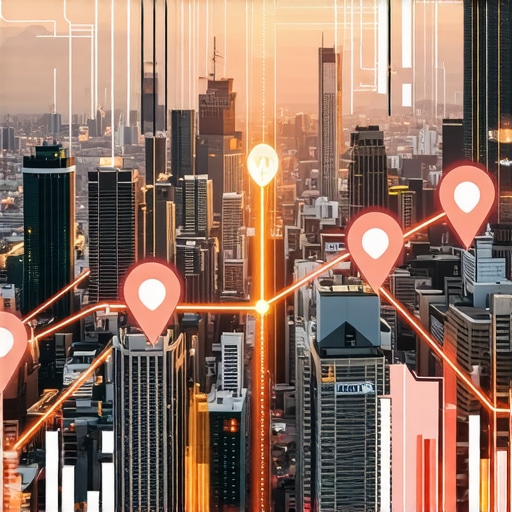
What Are the Best Practices for Creating Impactful Local Experiential Campaigns?
Design campaigns that encourage direct customer involvement and promote sharing across digital channels. Examples include incentivized store visits using QR codes, local influencer collaborations, or interactive signage that captures real-time feedback. These efforts not only enhance brand presence but also produce valuable engagement signals—such as increased review volumes, check-ins, and social mentions—that directly impact your local search standing.
Remember, consistency and authenticity matter. Cultivating a positive, memorable customer experience can lead to organic growth in local relevance, translating into improved rankings that are resilient to algorithm fluctuations.
The Symbiosis of User Experience and Search Performance
As local algorithms become more sophisticated, they increasingly prioritize user experience (UX) factors within physical and digital environments. Elements such as seamless mobile interfaces, quick access to local information, and personalized interactions contribute to higher engagement metrics, further reinforcing your local authority.
Implementing UX best practices—like optimizing website load times, ensuring mobile responsiveness, and simplifying navigation—can significantly influence dwell time and conversion rates. These signals are now integral to the complex matrix of ranking factors that determine your prominence in local search results.
How Might Enhanced UX Influence Your Local Visibility in 2026?
Looking ahead, innovations like augmented reality (AR) guided navigation, personalized offers based on real-time location data, and voice-activated local searches are poised to redefine UX standards. By proactively adopting such technologies, your business can establish a competitive edge—participating actively in the evolving ecosystem that search engines increasingly prioritize. Continuous investment in user-centric design ensures your local presence remains vibrant and authoritative in a rapidly shifting digital landscape.
Curious about how specific UX improvements can elevate your local rankings? Reach out to our experts for tailored strategies that integrate seamlessly with your existing marketing efforts, paving the way for sustained local dominance.
,
Deciphering the Symbiotic Dance Between Proximity and User Behavior in Local Search
As we forge deeper into 2026, the interplay between geographical proximity and nuanced user engagement signals becomes increasingly intricate. Recent industry insights reveal that Google’s algorithms are moving beyond simple spatial metrics, integrating a sophisticated matrix of behavioral cues such as click-through rates, dwell time, and repeat visitation patterns. This evolution signifies a pivotal shift for local marketers aiming to optimize visibility effectively.
Can Your Business Influence the Complex Web of Local Search Signals?
Emerging evidence suggests that proactive influence over combined proximity and engagement metrics is possible through targeted strategies. For example, leveraging AI-powered hyper-local advertising can prompt specific consumer actions, thereby affecting real-time behavioral signals. Simultaneously, optimizing physical storefronts to encourage in-person interactions ensures that engagement metrics corroborate with proximity advantages, creating a powerful dual impact on search rankings.
How Are Hyper-Localized Data Streams Reshaping SEO Tactics?
Beyond traditional analytics, the integration of IoT devices and mobile sensor data offers unprecedented granularity in understanding local consumer movements. For instance, smart parking systems and foot traffic counters furnish real-time insights into customer proximity and engagement levels. Harnessing these data streams enables precise adjustments in marketing efforts, fostering dynamic adaptation that aligns with evolving search algorithm priorities.
Are Advanced Content Strategies Elevating Local Trust Metrics?
Next-generation local SEO emphasizes authoritative, contextually relevant content that builds tangible trust. This includes leveraging locally sourced multimedia, community-focused storytelling, and user-generated content that authentically depict genuine customer experiences. Such content not only enhances local relevance but also amplifies engagement signals crucial for algorithmic favorability in competitive landscapes.

What Role Does Personalization Play in Amplifying Local Search Outcomes?
Tailoring user experiences based on granular location data and behavioral tendencies maximizes engagement and boosts the perceived relevance of your business. Personalized offers, notifications, and content delivered at optimal moments—guided by AI and machine learning—heighten the likelihood of positive interaction, translating into stronger rank signals.
Is Your Data Infrastructure Ready to Capture and Utilize These Insights?
Implementing an integrated, privacy-compliant data ecosystem is paramount. This entails deploying advanced CRM systems, real-time analytics platforms, and customer engagement tools that coalesce behavioral and proximity data. With a robust infrastructure, your business can rapidly adapt, optimizing touchpoints that influence both physical interactions and digital visibility.
For those intent on elevating their competitive edge, exploring our comprehensive guide on cutting-edge local SEO tactics for 2026 is essential. Dive deep into strategies that integrate data-driven decision-making with innovative customer engagement methods.
Are you prepared to redefine your local marketing approach and harness the full potential of these emerging signals? Engage with our experts to craft tailored, future-proof strategies, ensuring your prominence in the evolving digital landscape.
Insights from Industry Pioneers
Embrace Multi-Dimensional Data Integration
Leading experts emphasize that combining real-time foot traffic, behavioral signals, and proximity metrics creates a comprehensive approach to local SEO. Harness the synergy of physical and digital data streams to outpace competitors who cling to outdated strategies.
Prioritize Authentic Customer Experiences
Authentic engagement—such as personalized interactions and community involvement—translates into powerful signals that search algorithms favor. Invest in local events, reviews, and on-site customer satisfaction initiatives to amplify your relevance.
Leverage Advanced Analytics Tools
Utilize sophisticated local analytics platforms to monitor nuanced metrics like dwell time, directional requests, and repeat visits. These insights inform targeted optimization efforts that enhance visibility in hyper-local search results.
Integrate Voice and Visual Search Optimization
The rise of voice and visual searches demands evolving your content strategy. Implement location-specific voice commands and optimize images with geo-tagging to capture emerging search queries, ensuring your business remains accessible across multiple modalities.
Foster Community and Cultural Relevance
Embedding your brand within the local community through storytelling and culturally relevant content strengthens trust and organically boosts engagement signals. This approach fosters organic growth in local visibility that algorithms recognize and reward.
Trusted Resources to Deepen Your Expertise
- Google’s Official Documentation: Offers the latest insights into evolving ranking factors and best practices for local SEO in 2026.
- BrightLocal’s Reports: Provides comprehensive data-driven analyses of local search trends and consumer behavior patterns.
- Search Engine Journal: Contains expert opinions and case studies on integrating innovative signals like AI and IoT into local marketing strategies.
- Moz’s Local SEO Guides: Delivers in-depth tactics and strategic frameworks for adapting to shifting algorithms and customer expectations.
Your Edge in Local Search War
Mastering the complex matrix of proximity, behavioral signals, and real-time data defines your trajectory toward sustained local dominance. Staying ahead requires not just adjusting tactics but redefining your entire approach to engagement and measurement. Dive into the provided resources, implement cutting-edge strategies, and leverage high-quality data to cement your position. Want to share your insights or discover tailored plans that elevate your local visibility? Connect with our experts today and transform your local search game into a formidable competitive advantage.
Comments are closed.